
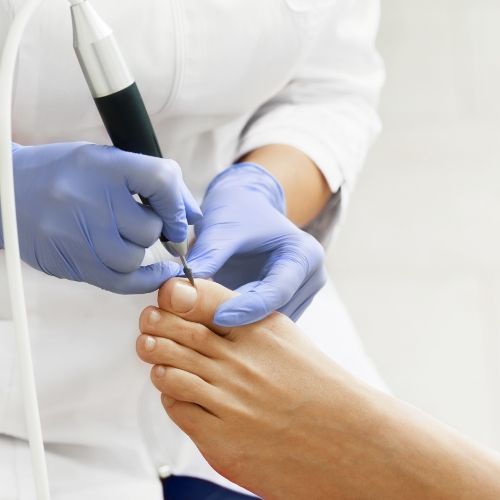
Most people wait too long. That heel ache in the morning, the toe that's been red and throbbing for a week, the arch pain that only shows up after a run — it gets pushed down the list until it can't be ignored anymore. Toorak Village Podiatry sees a lot of that. We're a short drive from Malvern, and our Malvern patients tend to fall into a handful of categories. Here's what actually brings people in.
Heel pain is the big one
Plantar fasciitis accounts for a good chunk of the foot pain we see from Malvern patients. It's that stabbing pain under the heel, worst with the first few steps out of bed, that eases slightly once you're moving and comes back after sitting for a while. The tissue running along the bottom of your foot gets inflamed — often from tight calves, a sudden jump in walking or running distance, or shoes that gave up their support months ago.
We treat it with a combination of taping, targeted stretching, and sometimes custom orthotics if the mechanics of your foot are working against you. Most patients notice a real difference within a month, though the stubborn cases can take longer. The mistake people make is stopping treatment the moment it feels better, which is usually how it comes back three months later.
Ingrown toenails don't wait for a convenient time
These show up fast and get worse fast — a nail edge digging into the skin, redness spreading, sometimes an infection setting in within days. Tight shoes and cutting nails too short or at an angle are the usual causes. We can remove the offending piece of nail under local anaesthetic in one sitting. Patients are often walking out with more relief than they expected fr om something that felt so minor to begin with.
Bunions get worse if you leave them
The bump at the base of the big toe isn't just cosmetic. It changes how your shoes fit, how you walk, and eventually how much it hurts to stand for long periods. Surgery is an option for advanced cases, but it's rarely the first move. Padding, orthotic support, and a look at what's in your shoe closet solve a surprising number of cases before they get anywhere near that point.
Diabetic foot checks catch problems before they start
If you're managing diabetes, an annual foot check isn't a nice-to-have. Reduced circulation and nerve damage mean small issues — a blister, a cut, a patch of dry skin — can turn serious without you noticing, because you may not feel them the way you used to. We check sensation, circulation, and skin condition at every visit. If it's been more than a year since your last one, that's worth fixing.
Sports injuries and the mechanics behind them
Malvern has its share of weekend runners and tennis players, and we see the usual list: ankle sprains, stress fractures, Achilles issues, shin splints. The injury itself is rarely the whole story — usually something in how you move is driving it, and treating the symptom without addressing that just means it comes back once you're back on the court. Gait analysis is part of how we work out what's actually going on, injury or not.
Kids' feet change fast
In-toeing, flat feet, heel pain from growth spurts (Sever's disease is the technical name) — most of it resolves on its own as kids grow, but not always, and it's hard to know which category your child falls into without a proper look. Sometimes the fix is as simple as a different shoe.
The everyday stuff
Not every appointment is dramatic. Corns, calluses, thickened nails, cracked heels — these are routine, especially for anyone who finds it harder to reach and manage their own feet than they used to. Regular care keeps this from turning into something more painful down the line.
What a first visit looks like
Expect around 30–45 minutes. We'll talk through what's been going on, have a proper look at your feet and how you walk, and you'll leave with either treatment already started or a clear plan for what's next. No vague "see how it goes."
If you've been putting off dealing with your feet, our Malvern foot clinic covers all of the above — from a single ingrown toenail to ongoing management of a sports injury. Book online or give the clinic a call.